Starting the Journey in Wonderful Oslo

The Journey of Creating Ai4Art Oslo Series​

By Ajay Goyal

In the world of artistic inspiration, cities often play the role of muse. From Monet’s Paris to Van Gogh’s Arles, urban environments, with their blend of architecture and humanity, offer an inexhaustible source of creativity. For me, it was Oslo that ignited a new flame of artistic passion.

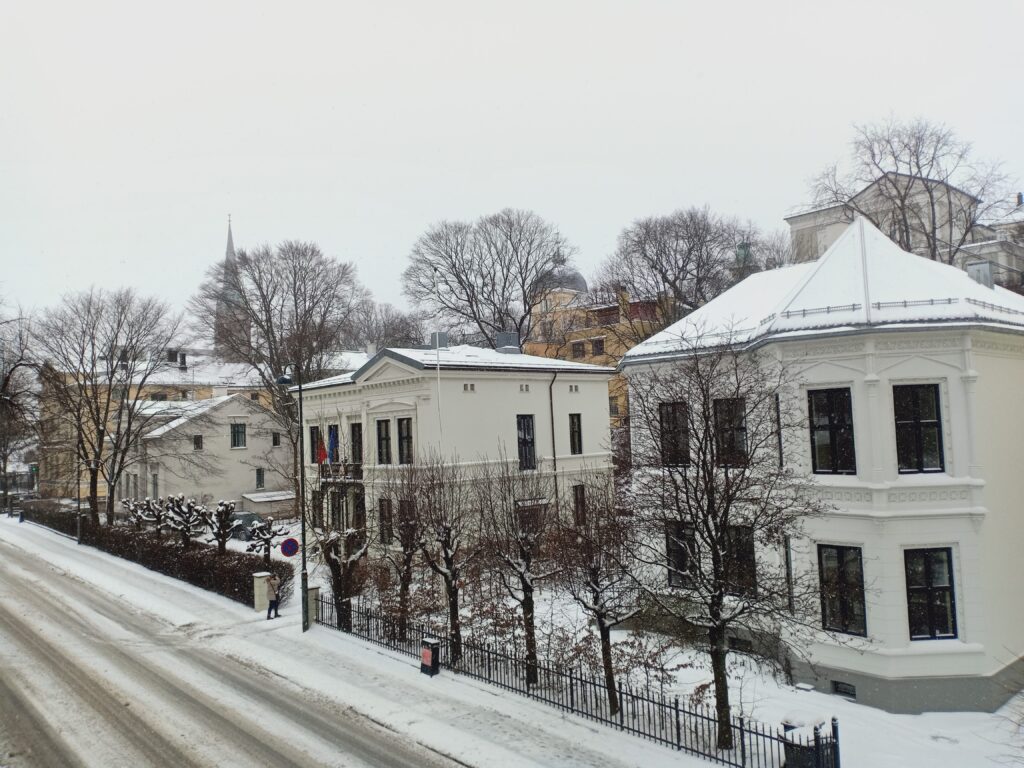
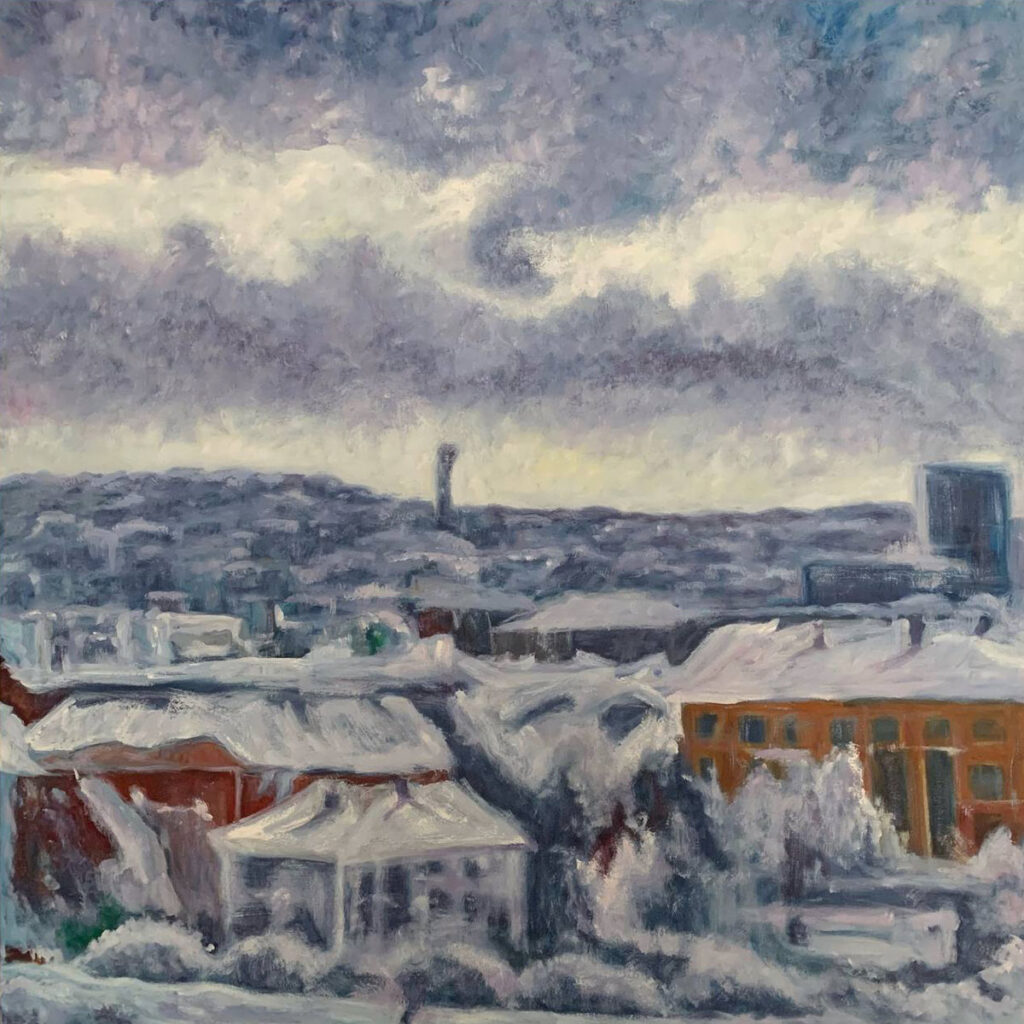
When I arrived in Oslo at the height of the pandemic it stood paused, reminiscent of a still from a vintage film, distinguished only by the vibrant coat of fresh snow. As the lockdown dragged on, on many a morning, there were no footsteps on the fresh snow except my own. Donning my four layers, I ambulated throughout the city, crisscrossing between its ancient quarters and modern enclaves. Oslo is neither vibrant nor cheerful – it’s a city of understated, conscious beauty, perpetually shy of itself. 

Much like the Norwegian populace, the city has a Viking character that it rarely shows off. It inherently prefers silence. However, during this time, even its typically quiet promenades lay dormant, shopfronts were dimmed, and the ubiquitous coffee houses, the heartbeat of this Nordic capital, were silent.

Often I would walk toward Our Saviour Cemetery, where one of Norway’s favourite sons, the famed painter Edvard Munch, is buried, and then climb higher up to Gamle Aker Church. From there, a scenic route, thankfully downward, on the petite Telthusbakken would lead to the banks of the AkerSelva River. Akerselva gracefully winds through Oslo, occasionally erupting into stunning waterfalls. To admire its beauty, I’d take the Metro to Nydalen and traverse five miles along the river until Grønland, where it dives beneath modern Oslo and its towering structures.
When the city’s melancholy wasn’t profound enough, I’d venture to Ekeberg Park and its western perimeter that offers breathtaking panoramas of Oslo and its fjord, scenes I captured innumerable times in ever-shifting light.
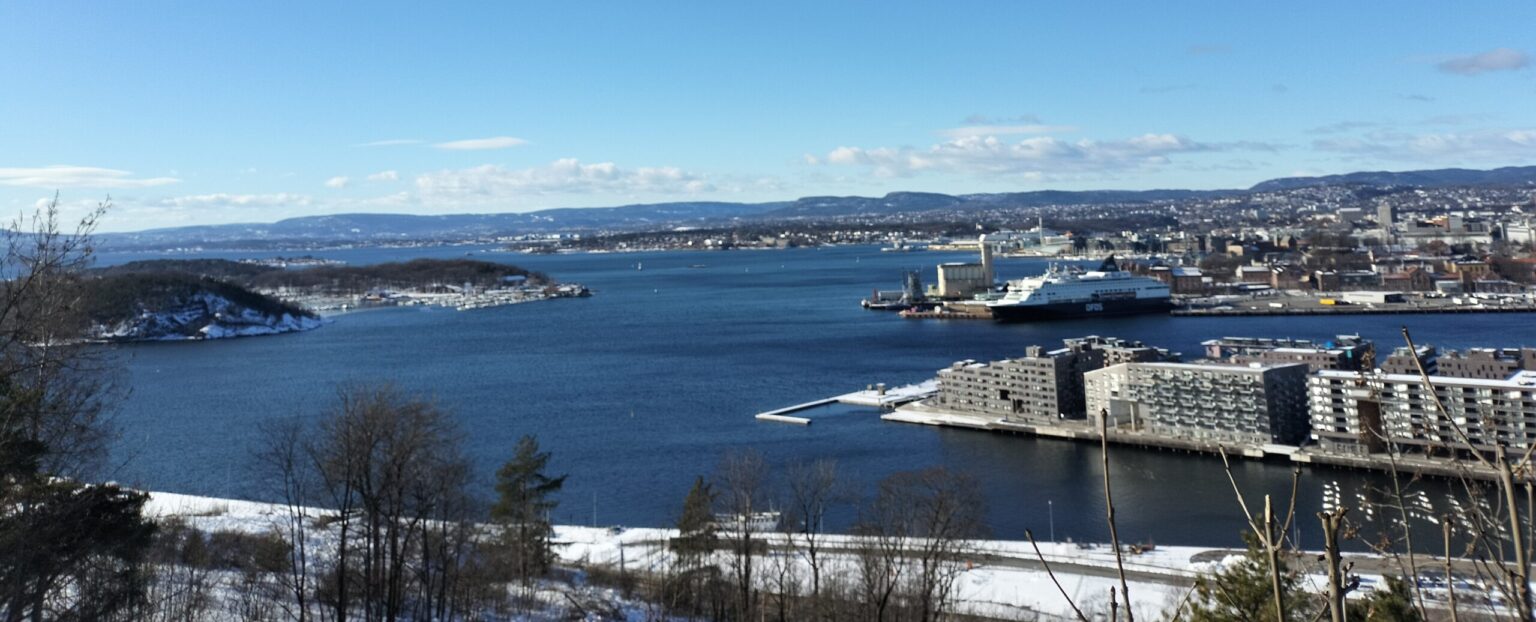
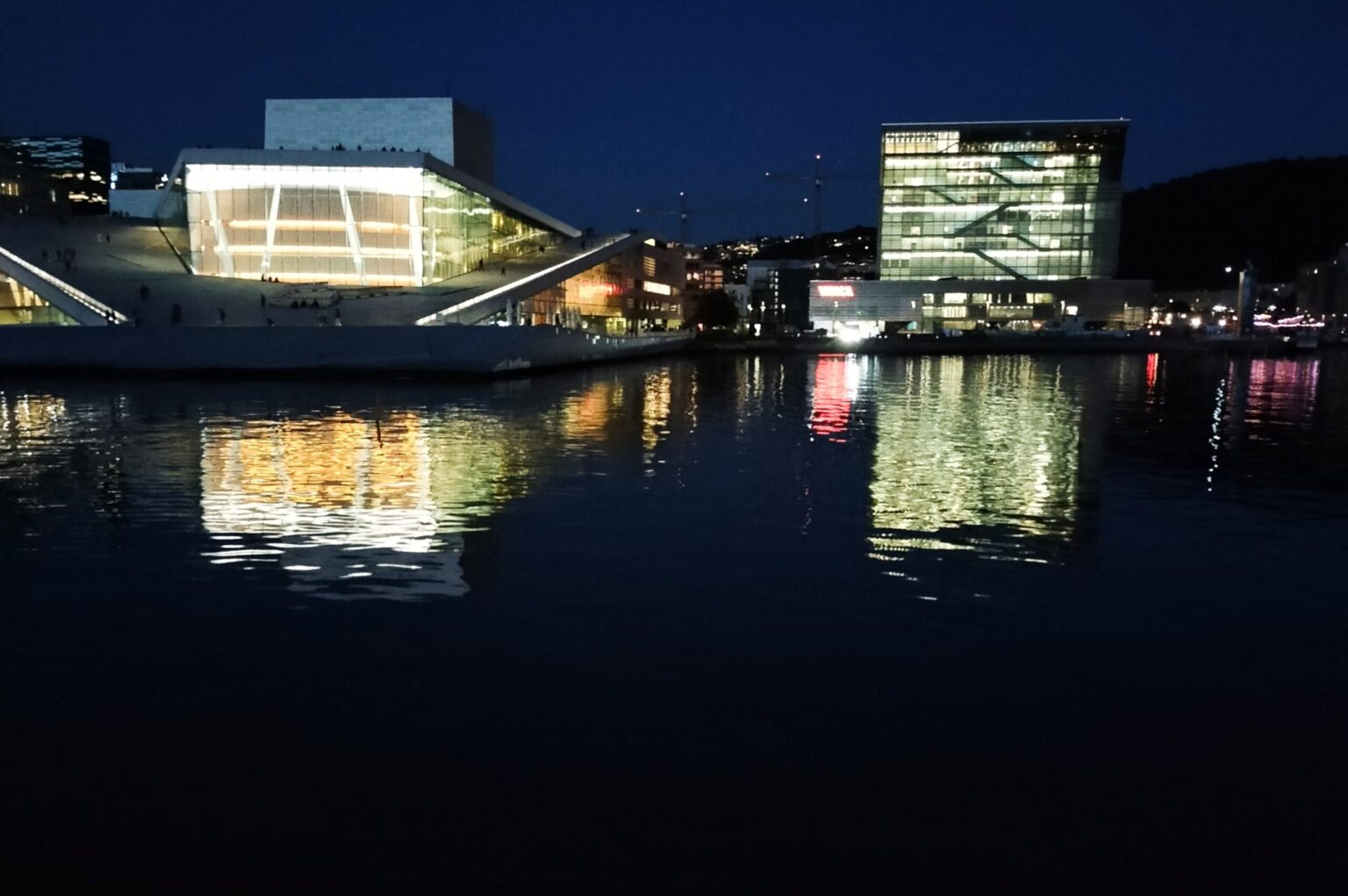
The city I had previously known was alive and bustling, the one I was in stood frozen in time. For me, a compulsive walker, it was a gift. The more I wandered its streets, its outskirts, parks and hills, the more the city revealed itself and shaped my impressions. Impressions that would go on to inspire my art. I started capturing the stillness of Oslo through hundreds of pictures.

I walked in circles, length and breadth, crisscrossing the matrix of the old town from very early mornings. Beginning from the Royal Palace to the Oslo Central Station, where the celebrated Tiger statue stands as a solitary guard of the city’s majesty. The route, typically bustling with tourists, was transformed into a solitary pathway of introspection. Oslo’s architectural landmarks stood unhidden by the crowds, their stark beauty against the snow serving as a canvas for my impressions.

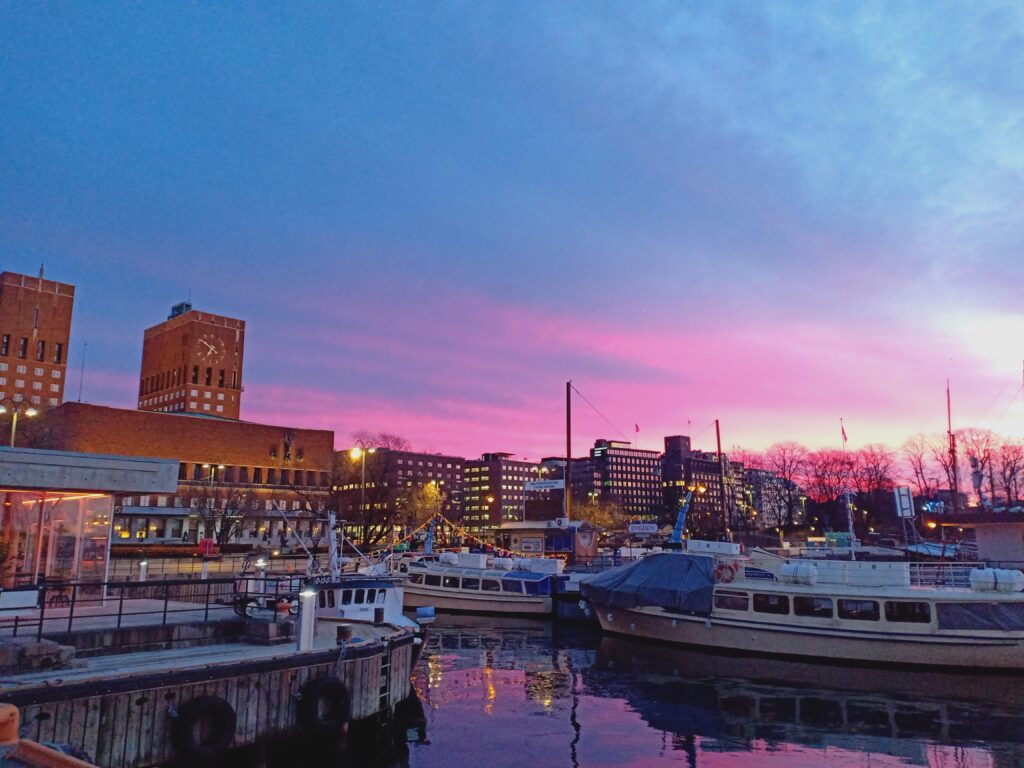
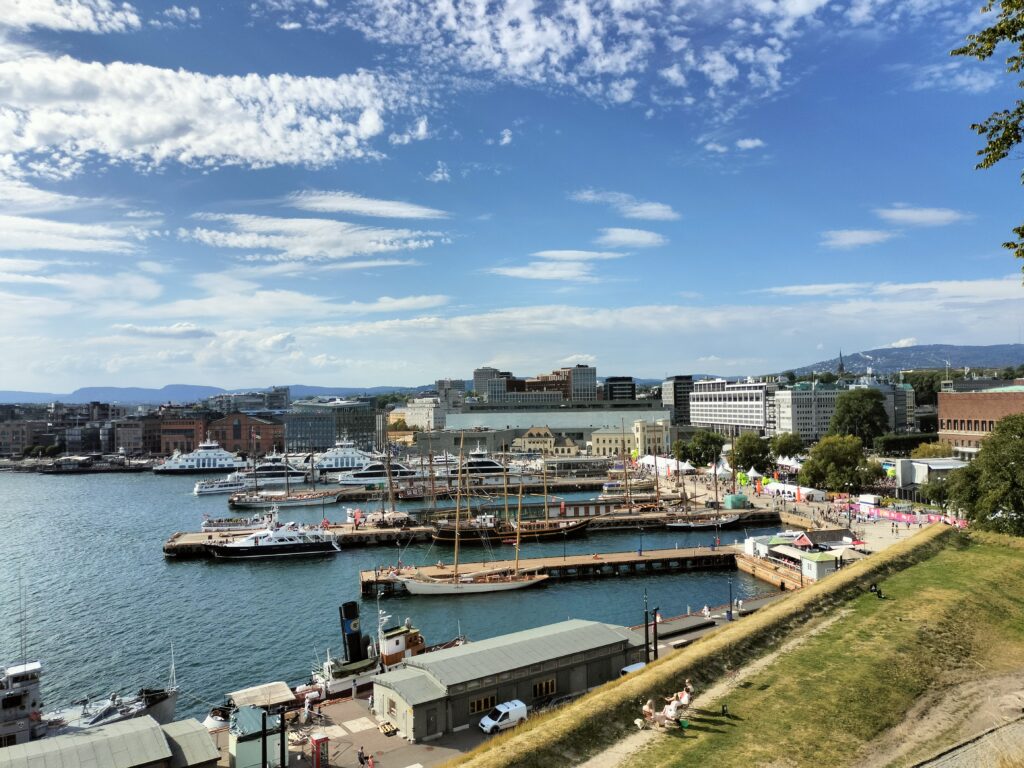
My journeys often deviated towards the fortress. When permitted by young military guards, I’d walk up the ramparts to watch the sunset over Aker Brygge and the fjord’s west, often the only observer of Oslo’s captivating sunsets. This, too, inspired me, as I sought to capture the interplay of light and shadow, the vibrant colours playing off the water’s surface, the soft hues of the dusk sky.

I stay away from the famous Vigelund Park. Over a decade, I had largely given up on my attempts to appreciate the sculpture-laden tourist hotspot. While a splendid place for a stroll, I’d invariably circumvent the central sculpture.

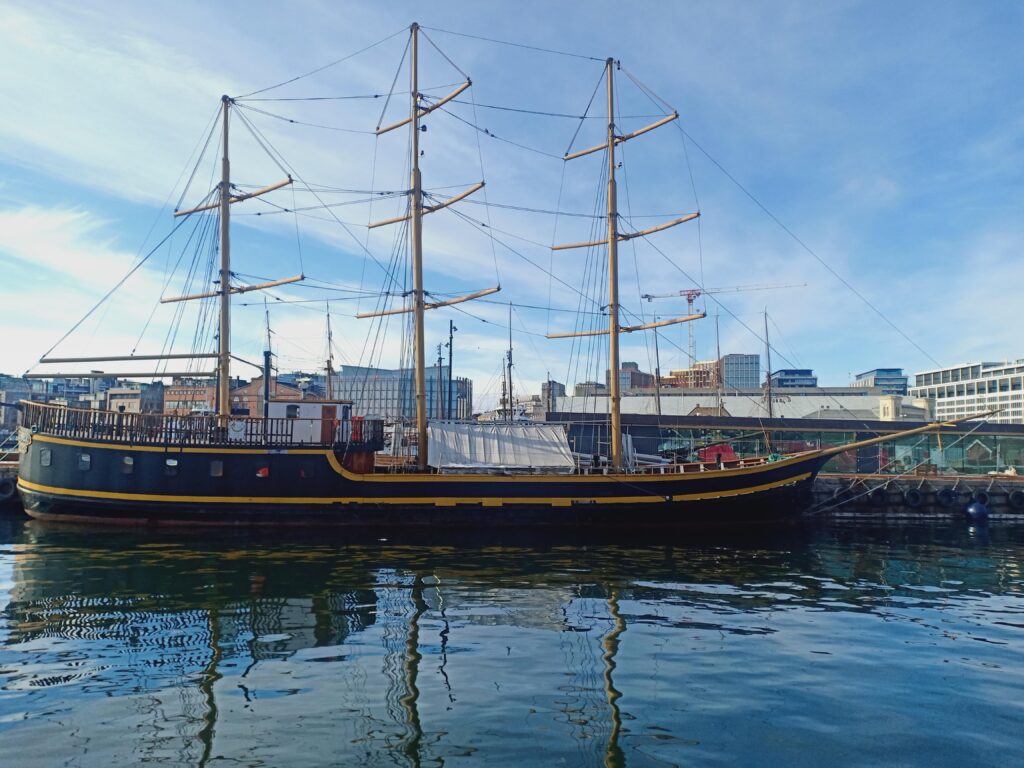
But there is so much more to Oslo – especially the walks along the fjord. From the centre to the west, it meanders towards Bygdøy, and to the east, the islands of Ormoya, Mormoya and Ulvøya. Here, the city’s cadence seems in perfect harmony with nature. I discovered an apple orchard on one of the islands, which, sans some locals, remains my little secret to this day.

The bridge to Ulvøya, regularly populated with anglers, stood as a testament to perseverance. Their fishing lines, casually cast deep into the fjord, seldom rewarded their patience, but despite freezing cold, their spirits remain hopeful.

As lockdowns lifted and the city came back to life, I moved to the city in mid-summer. Shaking off its winter slumber and lockdowns, the city sprang back to life with gusto. The sun shone warmly, its light reflecting off the surfaces of buildings and water, creating an impressionist’s paradise of light and colour. I roamed the city once more, this time capturing its rebirth on camera. By late 2022 the Ai tools visual regeneration or generation of image had started to mature and I started to experiment with my images and impressions of Oslo in creation of impressionist digital art through AI.

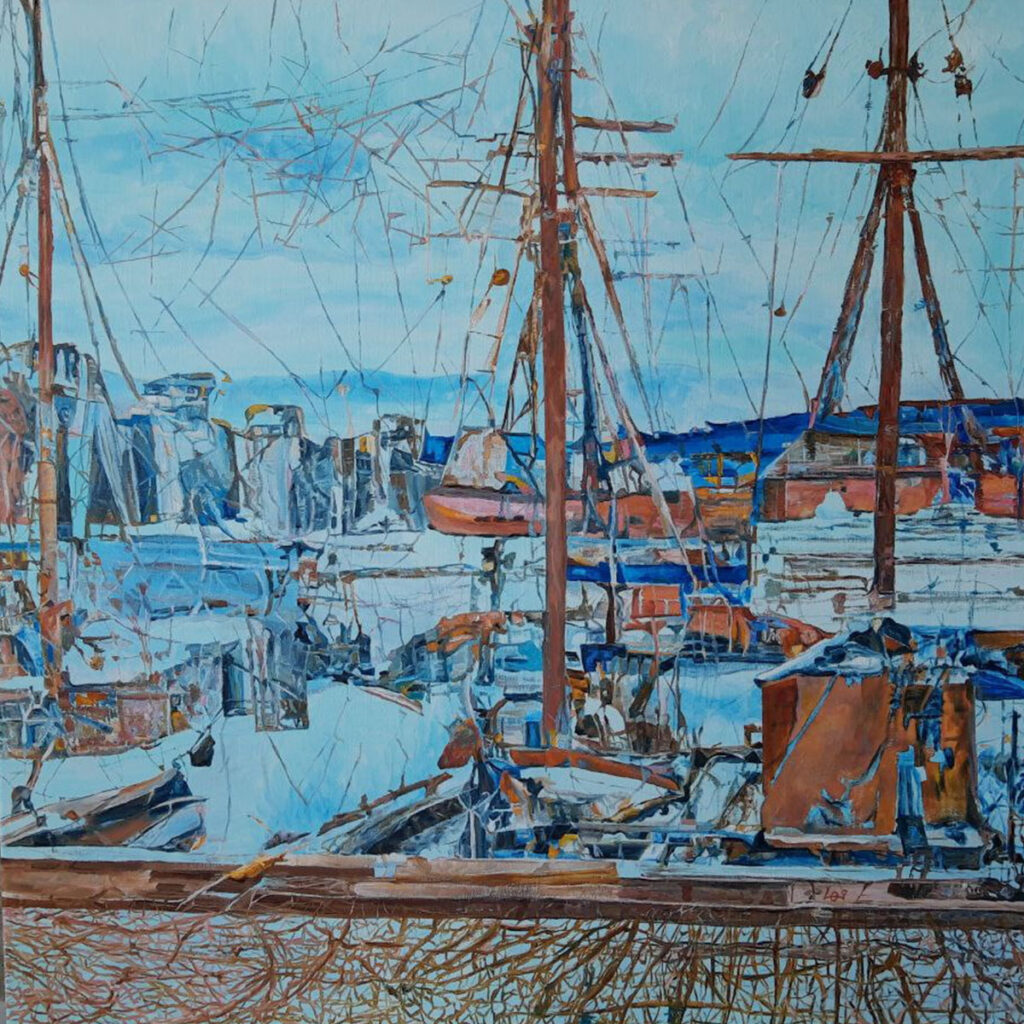
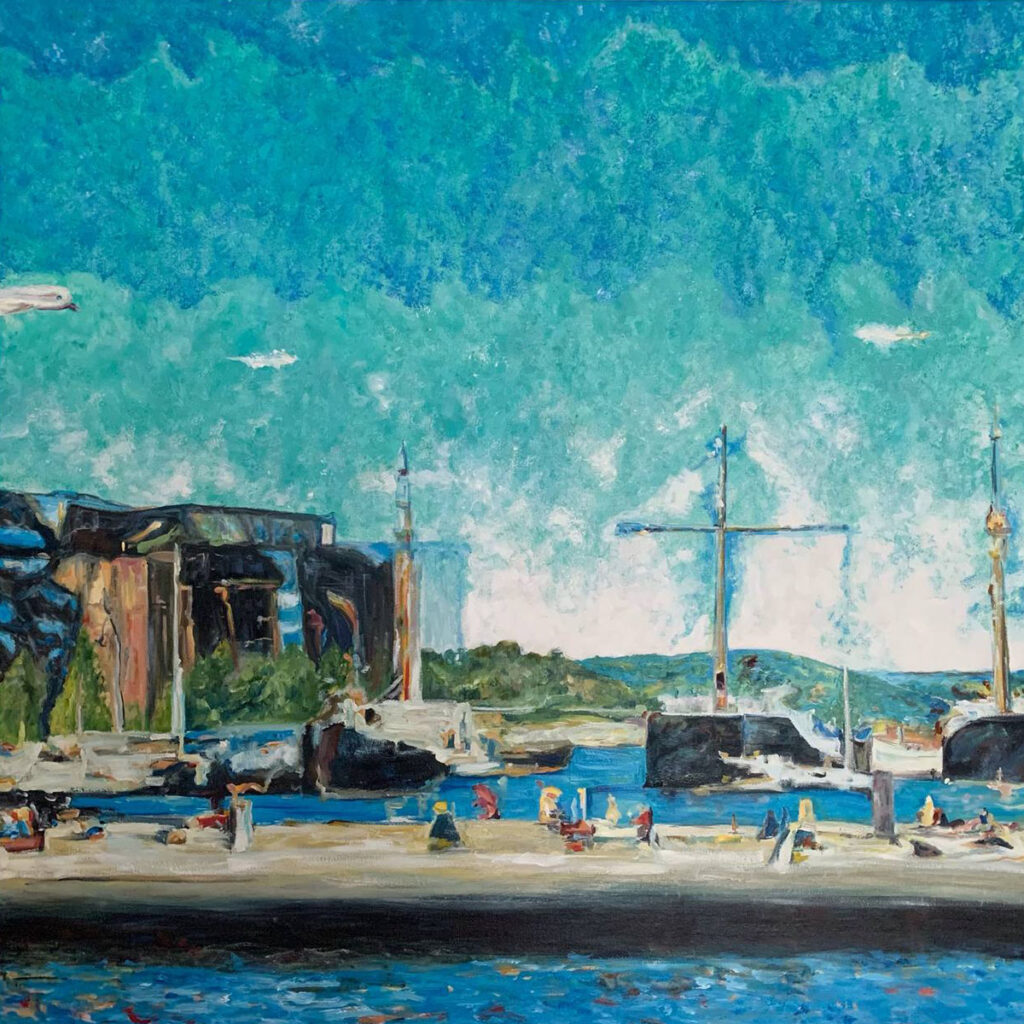
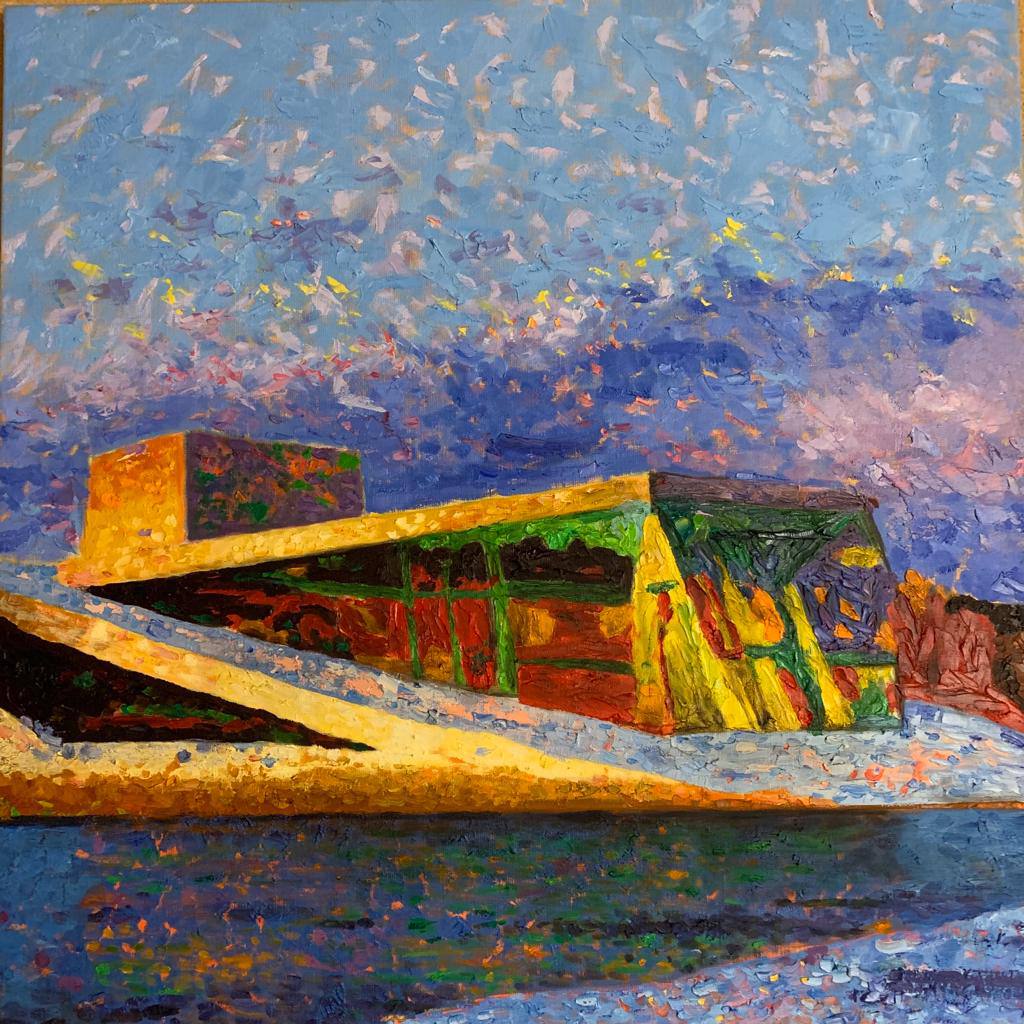
As these transpositions, juxtapositions, and experiments yielded results of modern day impressionist images of the city – 21st century Oslo through the eyes of 19th century masters of impressionism, it was time now to pour my heart and my impressions out to my gifted and talented friends to see if those impressions could be made alive and timeless through oil paintings on canvas.

The resulting images and paintings are more than a visual delight. They are an ode to the city of Oslo, a city that revealed itself to me, embraced me and stirred my artistic senses, a city that I fell irreversibly and deeply in love with. The Oslo Impressionist Series of paintings is an ode to that love.

By Ajay Goyal

mail: ajay@ai4art.in

“Oslo Impressions” series of Oil on Canvas paintings is the result of a collaboration between Engineers and Artists. It is an attempt to expand artistic visions and realise them to great effect by leveraging AI.

Ajay Goyal, an engineer, photographed the city of Oslo for 3 years, first during the stillness of the pandemic lockdown and then for the following two years in all seasons.

Together with his colleagues he then trained artificial intelligence algorithms on his photographs and morphed them with the works of impressionist masters of 20th century. He generated a series of digital artworks of contemporary Oslo in an impressionist artist style.

The next stage of the creative process was to collaborate with modern impressionist painters’ who used their signature style to turn an artistic vision rendered into visuals through AI into oil on canvas paintings.

Oslo Impressionist Series is the result of this first-of-its-kind collaboration of artists and AI.

The paintings are available to buy from this website and also from opensea.io where the Canvas can be acquired together with an NFT.