
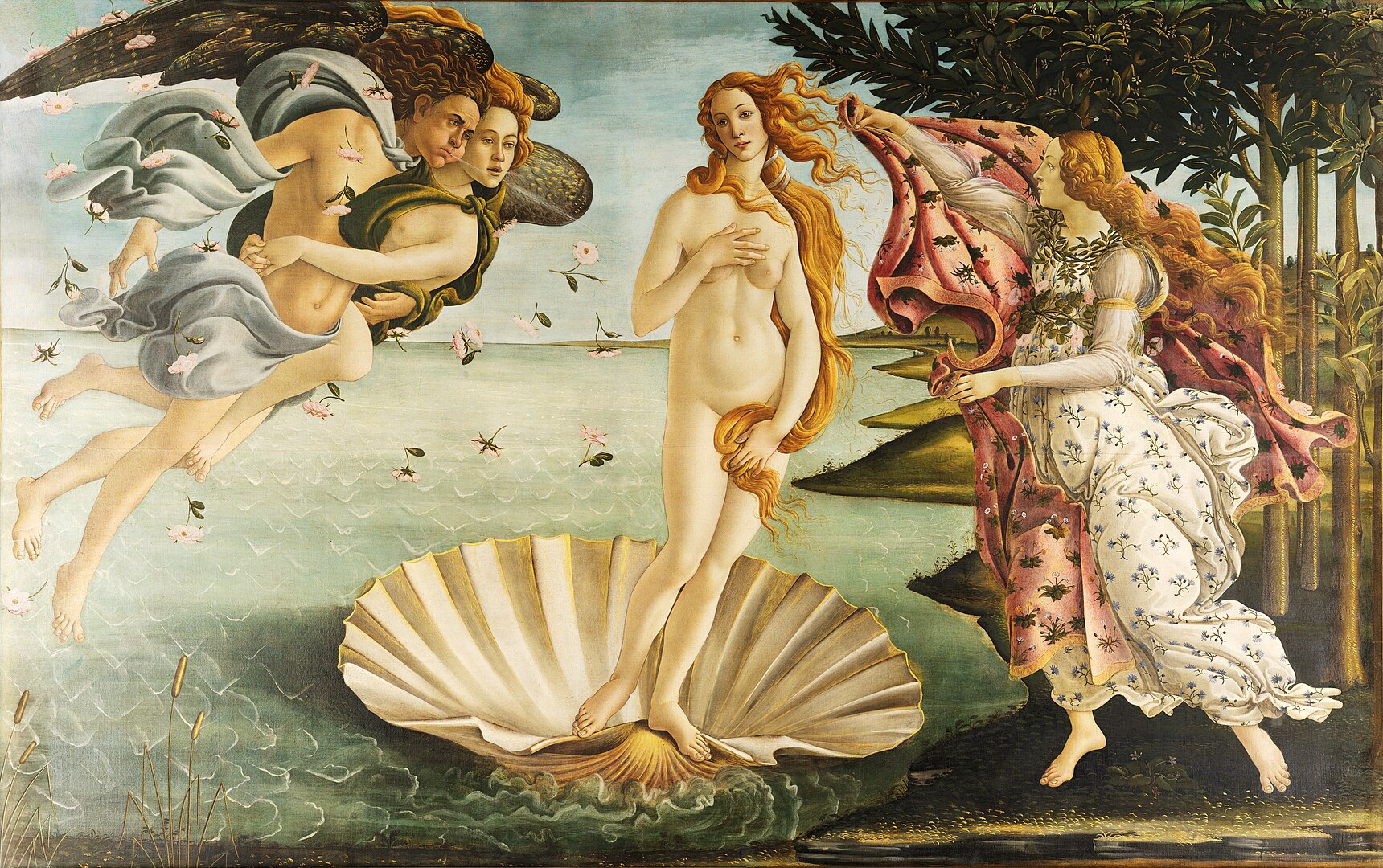
Lev Tolstoy, in his book “What is Art,” delves into the essence of art, shedding profound insights into its purpose and impact.
According to Tolstoy, art is that which elevates a person, providing nourishment to their soul. I have experienced this nourishment and uplifting aspect of art. I have sought to see every masterpiece and spent hours and days in great art museums and galleries of the world.
When art is the creation of a master, reflecting skill and craftsmanship in an elevated state it can bring a flash of enlightenment. There is no doubt about what art is when faced with a masterpiece.
The true task of art lies in expanding the range of human perception, touching the finest strings of the soul, and revealing the essence and depth of things. Art reveals phenomena in this world that science cannot. Art, therefore, becomes a medium through which we can explore the nuances of our inner world and the intricacies of external reality.
Genuine art, philosophers agree, goes beyond individual self-expression. It transcends the realm of the artist and connects with the shared human experience. True art communicates powerful emotions, evoking a collective understanding among its audience. When a work of art successfully conveys the artist’s emotions and infects the audience with the same profound feelings, it becomes a powerful medium for shared human expression.
Moreover, Tolstoy emphasizes the moral responsibility of art. It should strive to uplift humanity, promoting virtues and noble values while rejecting harmful or immoral ideas. Art becomes a force for positive change, instilling compassion, empathy, and understanding within individuals and fostering a harmonious society.
In the contemplation of art, it is essential to turn to the insights of great thinkers and philosophers who have delved into the nature and significance of artistic expression.
I have been an incessant traveller for 30 years. In more than 40 countries and over 220 cities and regions I have visited my first and essential stops are the art galleries, ancient places of worship and libraries. Museums and galleries have been my refuge. I almost always shunned the tourist trappings or nightclubs and bars, restaurants, and excursions and instead immersed myself in the art of every city. Far away from home, not knowing the language, and often dealing with melancholy, art kept me alive, elevated my spirit, and nourished my soul. It has connected me to people from multiple nations and cultures, allowing a deeper connection with aspects of existence.
Ancient Greek philosopher Plato viewed art as a potent tool that could shape the moral and ethical character of individuals and society. In “The Republic,” he advocated for the censorship of certain art forms that promote immorality while encouraging the promotion of those that contribute positively to the human psyche.
Aristotle perceived art as a means of catharsis. In his “Poetics,” he argued that engaging with tragic drama purges negative emotions from the audience, providing a cleansing effect on the soul and leading to emotional and intellectual growth.
The aesthetics of Immanuel Kant, the Enlightenment philosopher, brought forth the concept of universality in aesthetic judgment. Kant believed that the experience of beauty is a unique form of cognition that transcends individual preferences, leading to a collective agreement on the aesthetic value of certain artworks.
Friedrich Nietzsche, the German philosopher, approached art from a more subjective standpoint, emphasizing the artist’s role as a creator of new values. He believed that genuine art arises from the artist’s ability to embrace their unique perspective and express it authentically, irrespective of societal norms and conventions.
Moreover, contemporary thinkers like Susan Sontag, in her work “Against Interpretation,” have emphasized the transformative power of art and the necessity to experience it without the burden of excessive analysis. She advocates for a more direct and visceral engagement with art, allowing it to evoke emotions and spark new insights.
To me art is a fundamental aspect of the human experience. It is essential for enriching lives and fostering a deeper understanding of our existence.
Authentic and genuine artistic expression is a catalyst of universal emotions. Irrespective of its influence art has an undeniable ability to shape human consciousness.
As we continue to explore and engage with art, we open ourselves to the transformative potential it holds, allowing it to uplift our spirits, broaden our perspectives, and connect us with the beauty and complexity of the human experience.
Through art, we find a reflection of our shared humanity and a gateway to the timeless truths that unite us all.
By Ajay Goyal